
Which Engraving Bur Should I Buy? A Practical Guide
Feb 09, 2026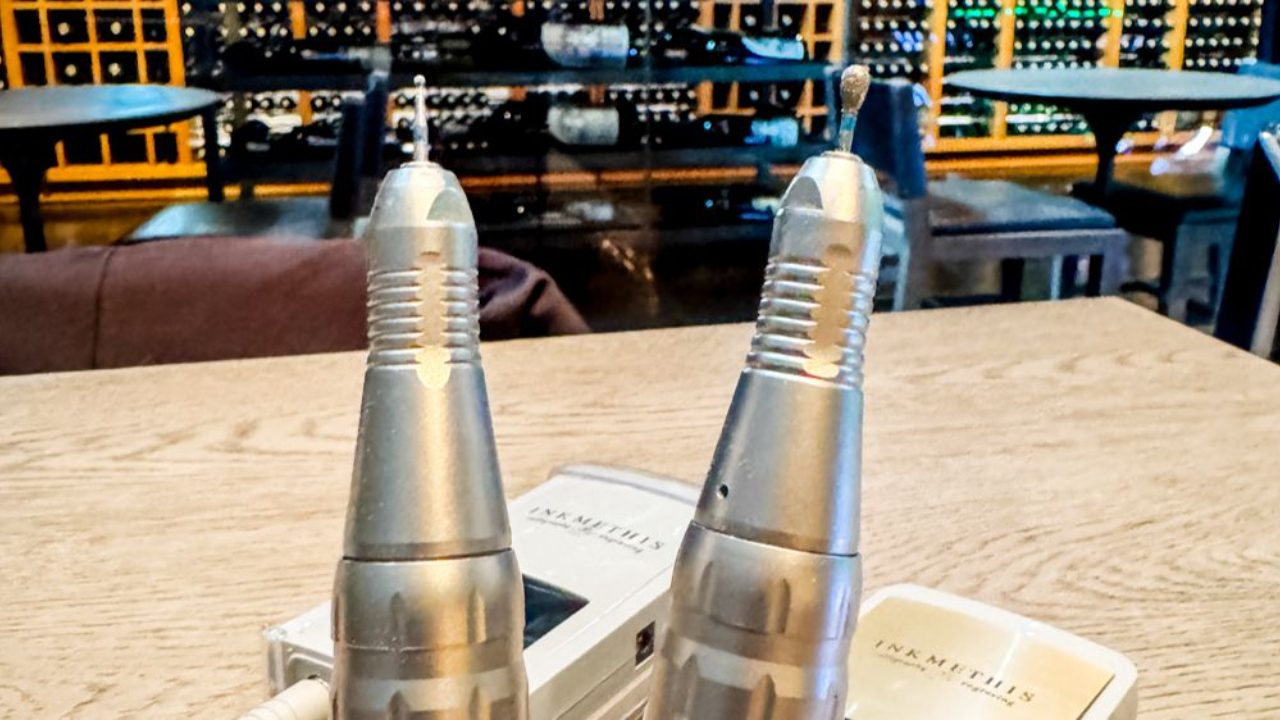
Cover image: On site event with BR46M and EX26M loaded in my two engravers
I’m often asked, “Which size bur should I buy?” While I’m always happy to help, this question is a bit like asking, “Which paintbrush should I buy?” The only honest answer to both is: it depends and you need more than one size.
Choosing the right bur comes down to how you work, what you’re engraving, and the kind of line you want to make. Below is a breakdown of the key things to know so you can make the choice that best fits your needs. For this post, I’m focusing specifically on the burs we carry on INKMETHIS, since these are the ones I use and the ones I’m most often asked about.
Bur Type
Diamond bit burs are coated with tiny particles of diamond at the tip and are a solid choice for a wide variety of surfaces including glass, ceramic, metal, stone, wood, leather, crystal, etc. The diamond particles do the cutting, gradually removing material from the surface you’re engraving. Think of it as the engraving equivalent of sandpaper: instead of sand grit glued to paper, the diamond grit is bonded directly to the metal bur.
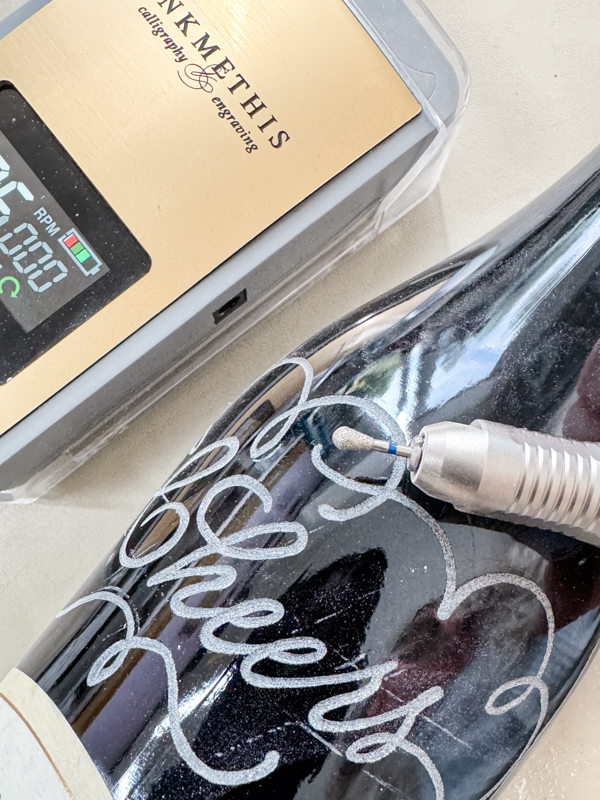
EX26M makes nice bold lines
Shaft Size
The burs we carry are dental burs, which have a standard 1/16" shaft. For comparison, the jewelry industry typically uses 3/32" shafts, and the woodworking industry uses 1/8" shafts.
This means your handpiece must either accept 1/16" burs or be used with a collet reducer. For example, the INKMETHIS Engraver has a 3/32" chuck to accommodate jewelry burs and, with the included collet reducer, it can also be used with 1/16" dental burs.
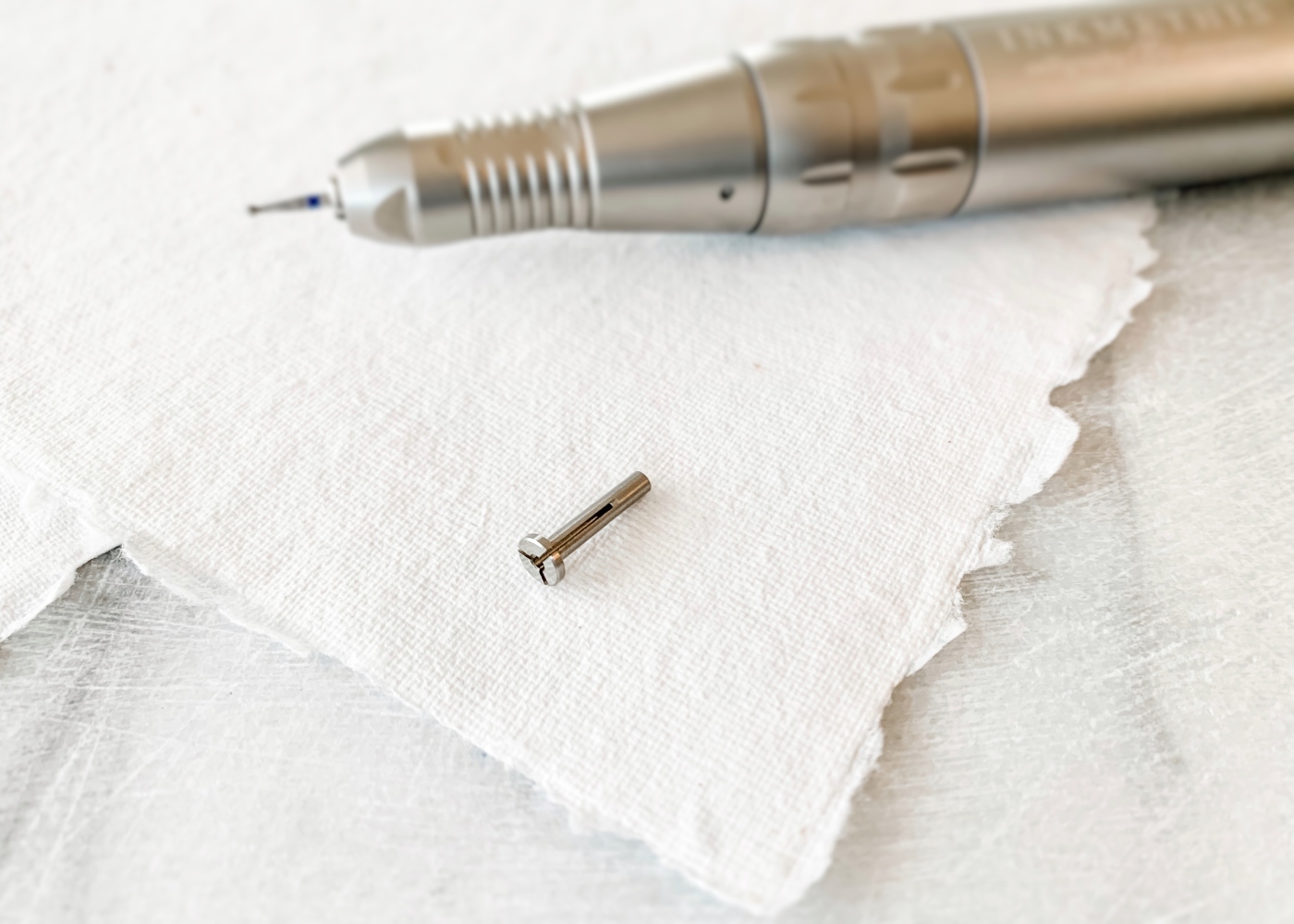
Collet for reducing the chuck opening to accommodate a smaller bur shaft
Coarseness
Coarseness refers to the grit size, similar to sandpaper or a nail file. A coarser bur removes more material with each pass, while a finer bur allows for more control and detail. The majority of the burs we carry are medium. Burs are color-coded for easy identification:
-
Green = coarse
-
Blue = medium
-
Red = fine
- Yellow = extra fine
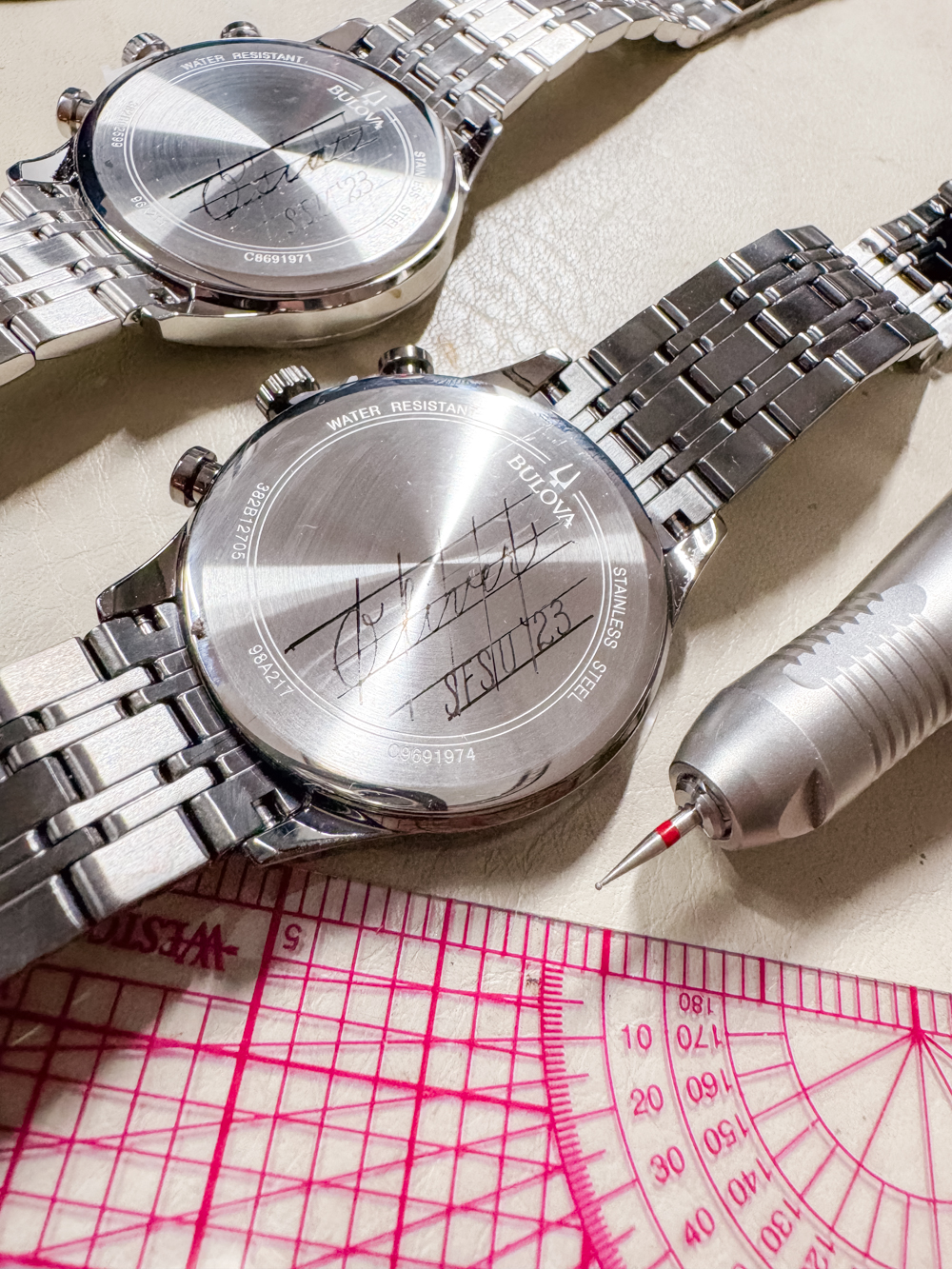
Ready to engrave this watch with the BR48F
Bur Shape
The shape of the bur tip directly affects the type of line it produces.
-
Ball burs, taper burs, and pear burs create a consistent, uniform line.
-
Inverted cone burs can mimic broad-edge nib behavior: pulling the bur downward creates a thicker line, while moving it side to side produces a thinner stroke.
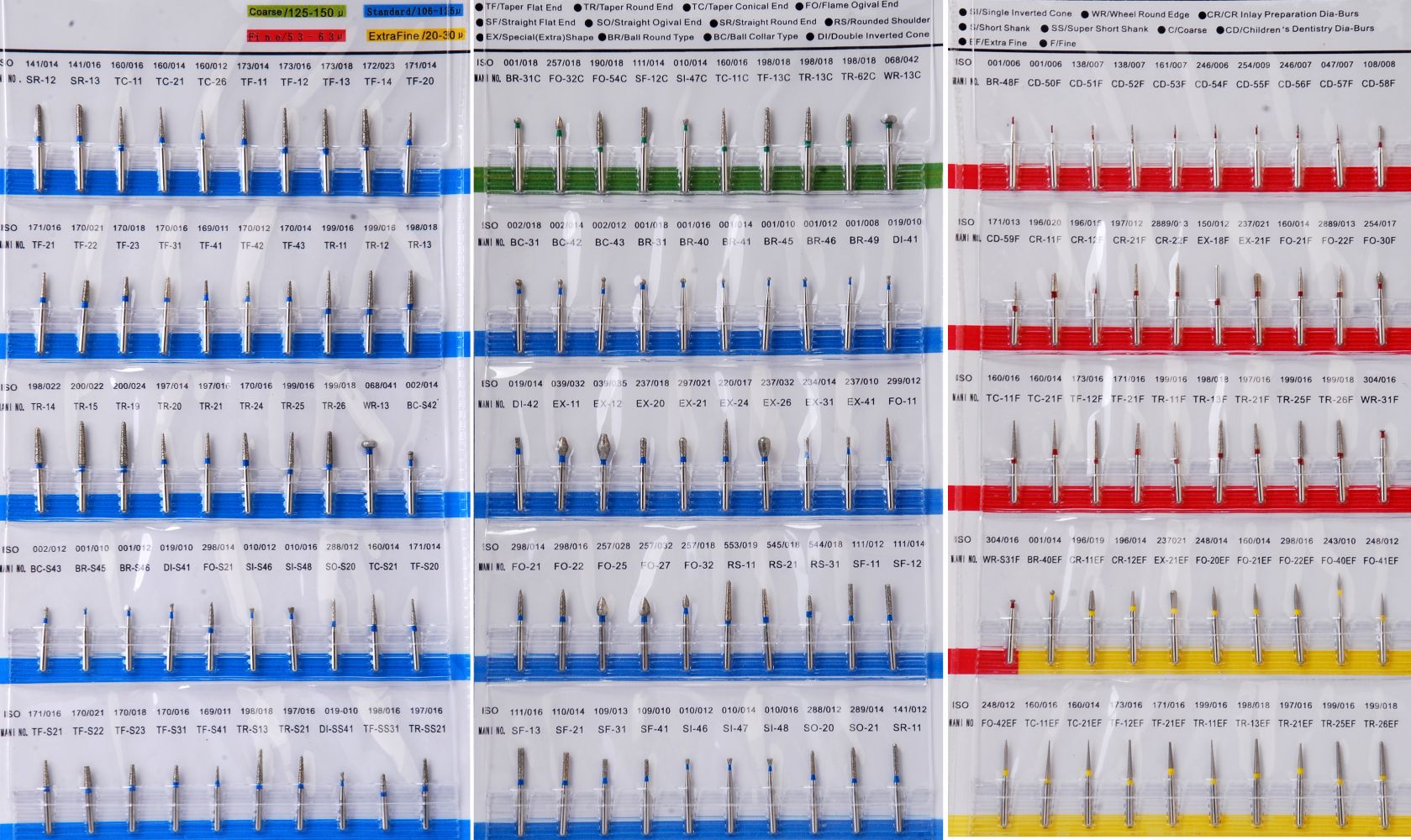
Dental burs are made in many more shapes and sizes than we need for engraving
Bur Size
The size of the bur tip determines the line weight. A larger ball bur produces a thicker line, while a smaller bur creates a finer one. A helpful comparison is ballpoint pens: a 0.5 pen lays down a finer line than a 0.9.
For smaller lettering, finer burs help prevent counters from closing up. For larger lettering, a slightly larger bur can save time, create lines that read more clearly and look more proportional to larger writing.
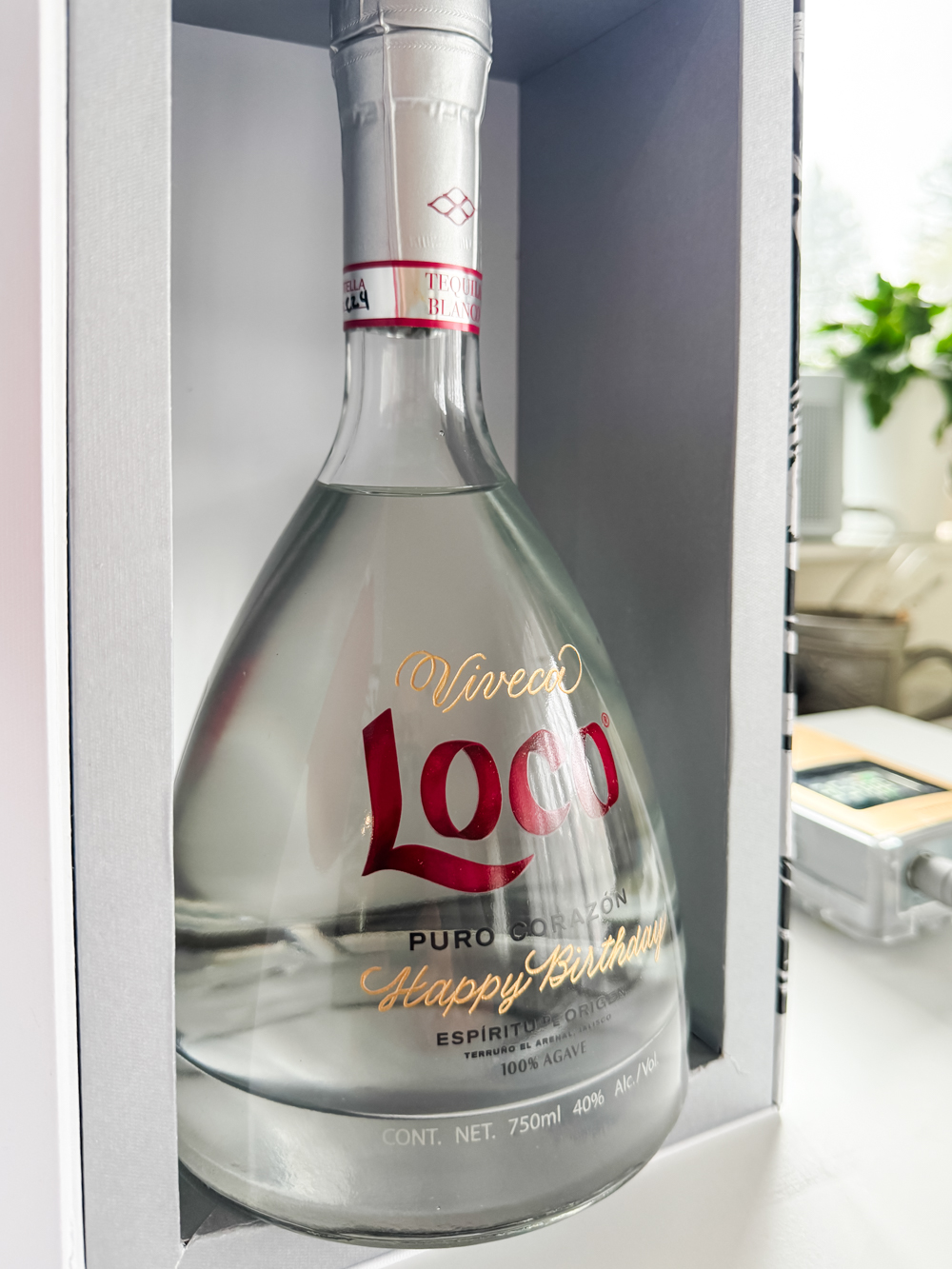
BR46M used on this Loco bottle for Viveca, Happy Birthday as the space was limited.
How Many Sizes Should You Have?
Rather than searching for a single “perfect” size, I strongly recommend having at least two bur sizes on hand: one finer and one slightly larger. This gives you flexibility as your letter size, surface, or design changes, and it keeps you from forcing one bur to do everything.
Having multiple sizes available also makes your workflow more efficient. You can use the larger bur to establish main text and switch to a finer bur for detail work, tight spaces, or supplemental text.
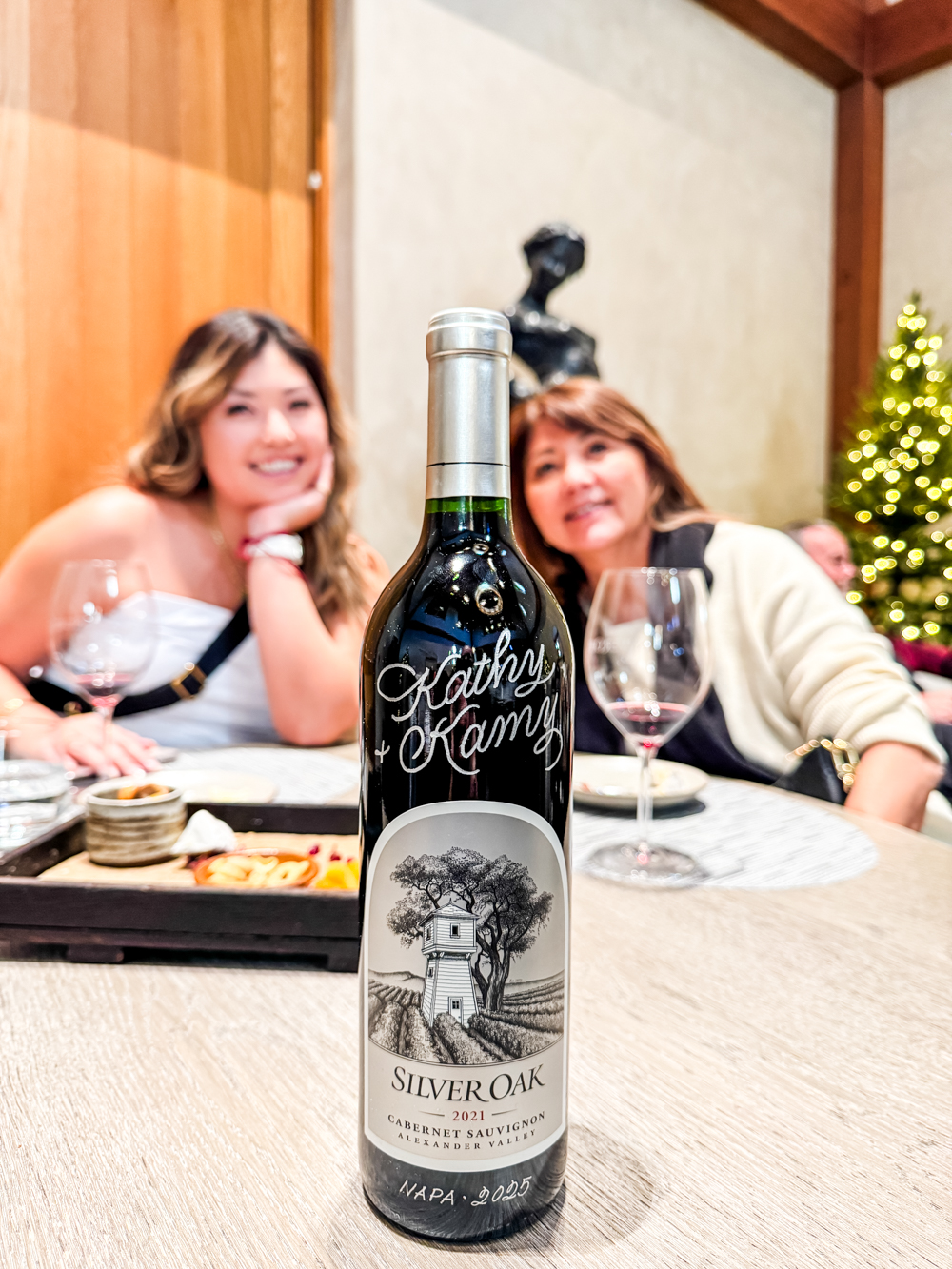
EX26M used for Kathy & Kamy with Napa 2025 in the BR30M
Here are a few specific examples from the INKMETHIS shop to help guide your choice:
-
EX26
A great choice for larger surfaces like wine bottles. This size allows you to work efficiently on broader lettering without needing multiple passes. -
BR46
Well suited for smaller formats such as perfume bottles, where tighter curves and finer control are important. -
BR30
A versatile, all-purpose size that works well across many surfaces and projects. If you’re building a starter set, this is an excellent foundational bur to have on hand. - BR49F
My preferred bur for fine engravings such as jewelry or watches.
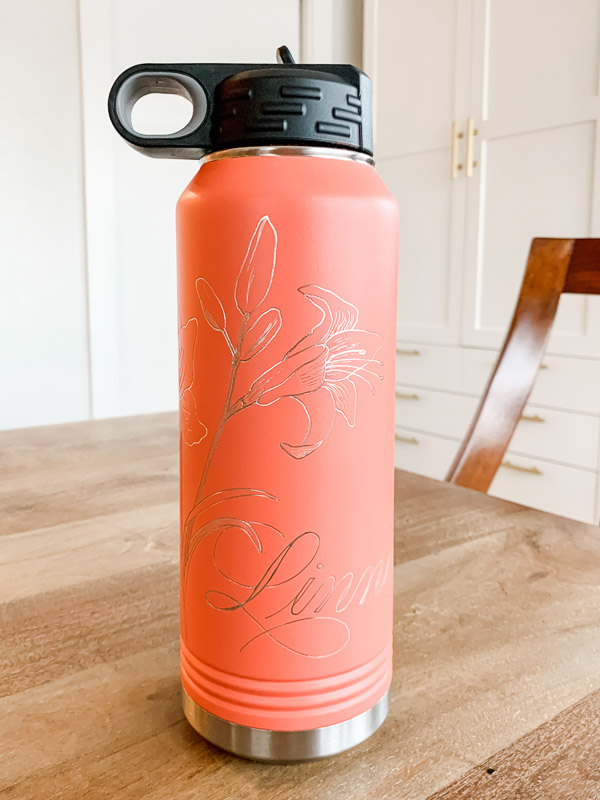
BR30M was used on this salmon powder coated water bottle for both the flower and the name.
Bur Longevity and Wear
Burs are relatively inexpensive because they are designed to be disposable. Over time, the diamond particles wear down, and the bur gradually loses its cutting effectiveness. When a bur starts to feel like it’s sliding or skidding across the surface instead of cutting cleanly, it’s usually time to replace it.
How long a bur lasts depends heavily on what you’re engraving. Harder or denser surfaces will wear burs more quickly. Even within the same material, density can vary. Glass, for example, can differ significantly in hardness depending on its chemical composition, which directly affects how quickly a bur wears.
For this reason, it’s best to think of burs as consumables rather than long-term tools. Keeping a few extras on hand ensures consistent results and avoids unnecessary frustration while you’re working.
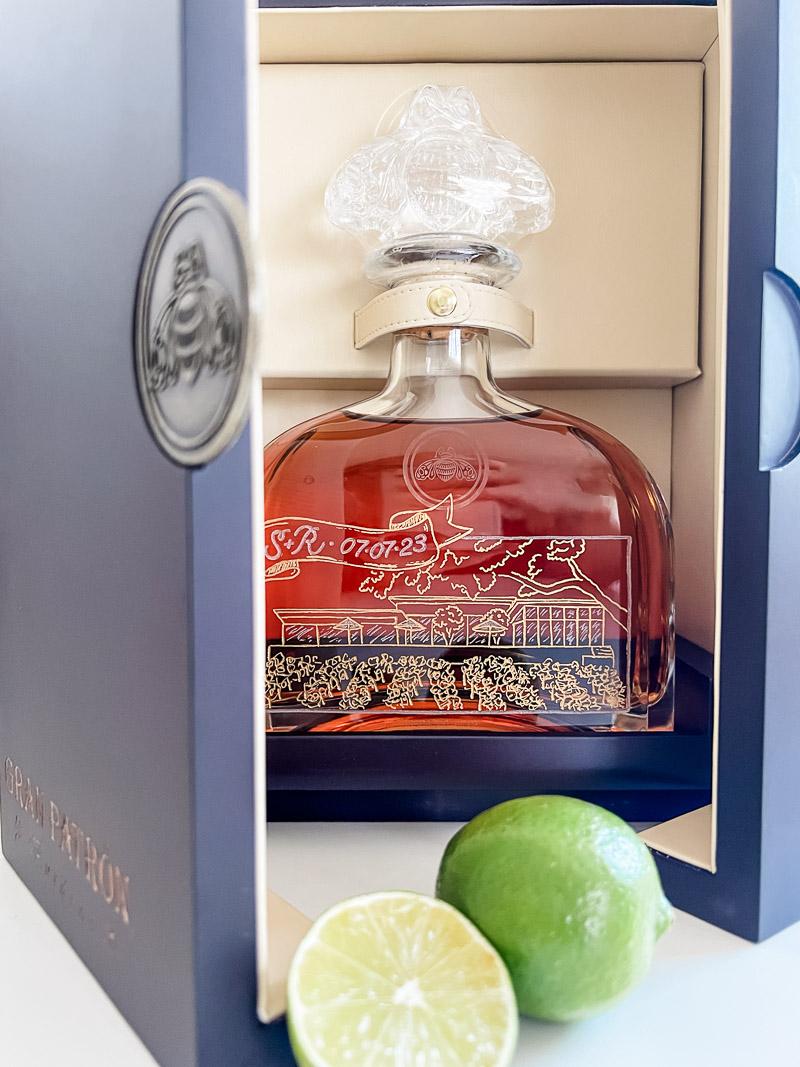
BR49M was used for the venue sketch and the BR30M for the initials/date.


